Pandemics have shaped human history for centuries, from the Black Death to the 1918 influenza pandemic and, most recently, COVID-19. Although infectious diseases have always existed, there is growing concern that human activity is increasing the likelihood of new diseases emerging and spreading rapidly around the world (Levitt, Khan and Hughes, 2010). Deforestation, climate change, intensive farming, wildlife exploitation, urbanisation and international travel have all changed the relationship between humans, animals and the environment. However, while humans may contribute significantly to the conditions that allow pandemics to occur, it would be inaccurate to suggest that humans are entirely responsible.
One important reason for the rise of new infectious diseases is the increasing contact between humans and animals. Many emerging diseases are zoonotic, meaning that they can pass between animals and humans. The World Health Organization states that more than 60% of emerging infectious diseases reported globally come from animals (CDC, 2024). Human activities such as agriculture, livestock farming, wildlife trade and expansion into previously undeveloped areas can increase opportunities for pathogens to cross from animals into humans (Esposito et al., 2023).
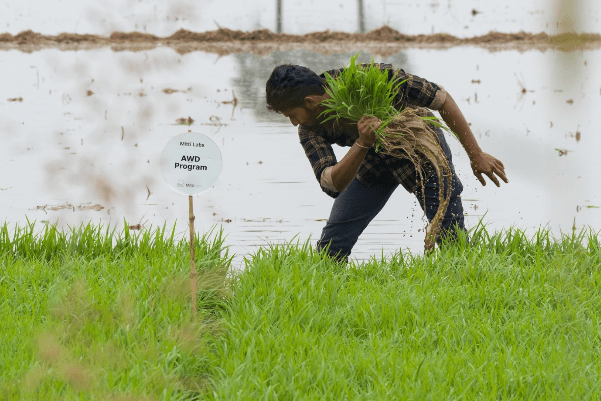
Deforestation is particularly significant. When forests are cleared for agriculture, mining, roads or housing, wildlife can lose its natural habitat and come into closer contact with people. This increases the opportunities for pathogens to move between species. According to the WHO, habitat destruction and fragmentation can alter wildlife populations and increase contact between wildlife, livestock and humans (World Health Organization, 2025). The Ebola outbreaks in West Africa, for example, have been associated with environmental changes that increased contact between people and wildlife (Baranowski and Bharti, 2026). This suggests that the way humans alter natural environments can directly influence disease risk.
Modern food production may also contribute to pandemic risk. As the world's population has grown, so has demand for meat and other animal products. Intensive farming can place large numbers of genetically similar animals in close proximity, creating conditions in which infectious diseases can spread and evolve (Espinosa, Tago and Treich, 2020). UNEP identifies increasing demand for animal protein and unsustainable agricultural intensification as two major human-driven factors behind the emergence of zoonotic diseases(UNEP, 2020). Wildlife exploitation and trade can create further opportunities for pathogens to encounter new hosts.
Climate change is another factor. Changes in temperature, rainfall and ecosystems can affect the geographical distribution of animals and disease-carrying organisms such as mosquitoes and ticks. The WHO reports that climate change and rising temperatures can expand the range of zoonotic hosts and vectors, increasing the number of people exposed to diseases (World Health Organization, 2024). Therefore, activities that contribute to climate change may indirectly increase the risk of certain infectious diseases.
Human globalisation also makes it easier for an outbreak to become a pandemic. International air travel allows people to cross continents within hours, meaning that an infectious disease can potentially reach multiple countries before health authorities realise an outbreak is occurring. Large cities, high population density and interconnected supply chains can further accelerate transmission. Globalisation itself is not necessarily harmful, but it means that infectious diseases have more opportunities to spread once they enter human populations.
However, blaming humans completely would oversimplify the issue. Viruses, bacteria and other pathogens naturally evolve, and diseases can emerge without deliberate human interference. Animals have carried infectious microorganisms for millions of years, long before modern civilisation existed. Evolution also means that pathogens constantly change as they adapt to new hosts and environments (Stern and Andino, 2016). Consequently, some disease emergence is a natural biological process rather than the direct result of human behaviour.
The more accurate argument is that humans are increasing the opportunities for pandemics to occur. UNEP has identified several human-driven factors associated with zoonotic disease emergence, including land-use change, wildlife exploitation, agricultural intensification, increased travel and transportation, changes in food systems and climate change. This does not mean that every pandemic is caused by humans, but it does suggest that human behaviour can make spillover events more likely and can determine how quickly an outbreak spreads.
If humans contribute to the problem, they can also contribute to the solution. Scientists and policymakers increasingly support a “One Health” approach, which recognises that human, animal and environmental health are interconnected. The WHO argues that preventing future outbreaks requires cooperation between medical, veterinary and environmental sectors. Measures such as protecting habitats, improving wildlife and livestock monitoring, strengthening disease surveillance, reducing environmentally damaging practices and preparing health systems for emerging diseases could reduce future risks.
In my view, although humans are not entirely responsible for pandemics, our activities can increase the risk of infectious diseases emerging and spreading. Deforestation, intensive farming and wildlife exploitation highlight the consequences of prioritising human needs over environmental protection. The COVID-19 pandemic demonstrated the importance of scientific research, global cooperation and preparedness. I believe that protecting ecosystems and investing in public health are essential steps towards preventing future pandemics. Ultimately, while we cannot eliminate pathogens, we can take greater responsibility for reducing the risks our actions create.
In conclusion, humans cannot be blamed for the existence of pandemics, because infectious diseases are a natural part of the biological world. However, there is strong evidence that human activities are increasing the opportunities for diseases to emerge and spread. The destruction of habitats, intensive agriculture, wildlife exploitation, climate change and global connectivity have created conditions in which pathogens can move more easily between animals and humans and then spread internationally. Therefore, the question is not simply whether humans are to blame, but whether humans are making pandemics more likely. The evidence suggests that, to a significant extent, we are. The challenge now is to change the relationship between human society, animals and the environment before the next pandemic arrives.
References
GOV.UK. (n.d.). COVID-19 infection survey participants thanked for ‘huge contribution’ to pandemic response. [online] Available at: https://www.gov.uk/government/news/covid-19-infection-survey-participants-thanked-for-huge-contribution-to-pandemic-response [Accessed 11 Oct. 2026].
Magnific.com. (2026). [online] Available at: https://www.magnific.com/free-photos-vectors/people [Accessed 11 Oct. 2026].
Sarang Shidore (2024). What does the Global South want? [online] @ips_journal. Available at: https://www.ips-journal.eu/topics/foreign-and-security-policy/what-does-the-global-south-want-7733/ [Accessed 11 Oct. 2026].
A scientific assessment with key messages for policy-makers a special volume of UNEP’s frontiers report series zoonotic diseases and how to break the chain of transmission. (n.d.). [online] Available at: https://unsdg.un.org/sites/default/files/2020-07/UNEP-Preventing-the-next-pandemic.pdf [Accessed 11 Oct. 2026].
Baranowski, K. and Bharti, N. (2026). Multiple environmental conditions precede ebola spillovers in Central Africa. Biology Letters, [online] 22(1). doi:10.1098/rsbl.2025.0654.
CDC (2024). About zoonotic diseases. [online] One Health. Available at: https://www.cdc.gov/one-health/about/about-zoonotic-diseases.html [Accessed 11 Oct. 2026].
Espinosa, R., Tago, D. and Treich, N. (2020). Infectious diseases and meat production. Environmental & Resource Economics, [online] 76(4), pp.1–26. doi:10.1007/s10640-020-00484-3.
Esposito, M., Turku, S., Lehrfield, L. and Shoman, A. (2023). The impact of human activities on zoonotic infection transmissions. The Impact of Human Activities on Zoonotic Infection Transmissions, [online] 13(10), pp.1646–1646. doi:10.3390/ani13101646.
Levitt, A.M., Khan, A.S. and Hughes, J.M. (2010). Emerging and re-emerging pathogens and diseases. Infectious Diseases, [online] pp.56–69. doi:10.1016/b978-0-323-04579-7.00004-6.
Stern, A. and Andino, R. (2016). Viral evolution. Viral Pathogenesis, [online] pp.233–240. doi:10.1016/B978-0-12-800964-2.00017-3.
World Health Organization (2024). Vector-borne diseases. [online] Who.int. Available at: https://www.who.int/news-room/fact-sheets/detail/vector-borne-diseases [Accessed 11 Oct. 2026].
World Health Organization (2025). Biodiversity. [online] World Health Organization. Available at: https://www.who.int/news-room/fact-sheets/detail/biodiversity [Accessed 11 Oct. 2026].