Apple's June price increases affected almost every product line offered: MacBook Air, MacBook Pro, iPad Air, iPad Pro, HomePod and Vision Pro all rose, with some price adjustments up more than 18%. Apple made the price move quietly, without a press event. Although it was announced privately, the market reaction was immediate. Shares closed down over 6%, Apple's worst day since the April 2025 tariff sell-off. Coverage from CNBC and Forbes linked the hikes directly to a single input cost: memory allocation.
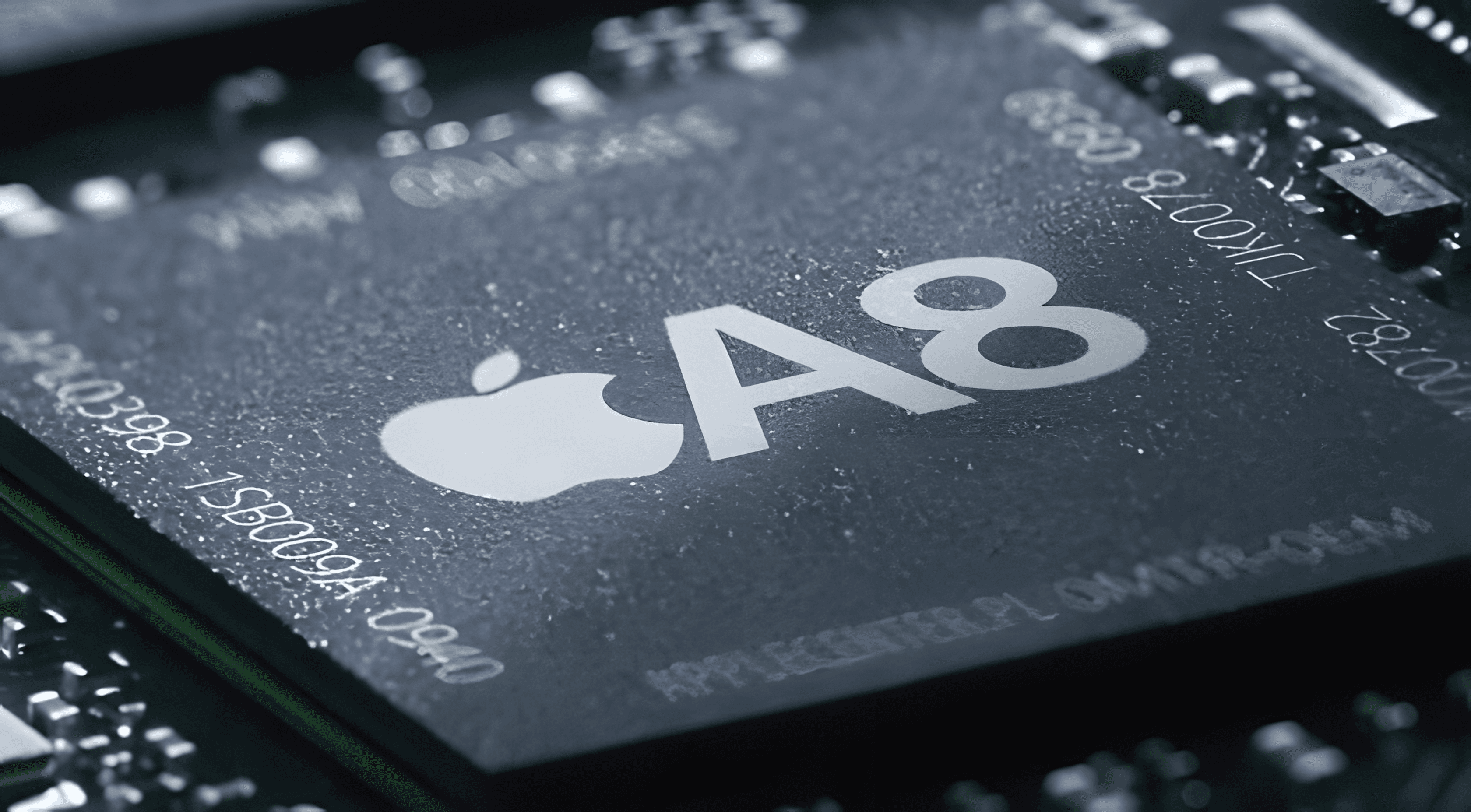
The driver is the reallocation of global memory manufacturing capacity toward high-bandwidth memory (HBM), the specialised DRAM used in AI accelerators such as Nvidia's GPUs. HBM carries a premium of three to five times that of conventional DDR5 RAM, giving Samsung, SK Hynix and Micron a clear incentive to shift production lines away from the commodity memory used in phones, laptops and tablets. SK Hynix has told investors its HBM, DRAM and NAND capacity is completely sold out for 2026.
The resulting price shift has been unusually steep. TrendForce's February 2026 survey revised its first-quarter forecast for conventional DRAM contract prices to a 90–95% quarter-on-quarter increase, the largest on record. Counterpoint separately measured an 80–90% quarter-on-quarter rise across memory categories generally. NAND flash which is less exposed to AI demand, still climbed roughly 33–38% over the same period.
The companies supplying the shortage have been the clearest winners. Micron's fiscal third-quarter 2026 revenue reached $41.46 billion with a GAAP gross margin of 85%, up from 37.7% a year earlier. Samsung's first-quarter operating profit rose 755% year-on-year, and SK Hynix's revenue exceeded KRW 50 trillion for the first time, with an operating margin as high as 72%. Memory makers have gained pricing power, device makers Apple and Microsoft both raised prices in the same window. This is because these two companies have had to choose between absorbing the increasing cost or passing it to consumers. Apple chose the latter, and investors read it as a warning on margins rather than a reassurance.
The practical effect is a shaken memory market. For investors, Apple's June move is less a one-off pricing decision than a test of how much pricing power an industry leading hardware brand retains when a critical input it does not control is being diverted to a more profitable consumer. Until memory supply catches up with the global AI demand, hardware price increases across the industry look more likely than not.
The GPU Race: How the AI Memory Boom Broke Apple's Pricing Playbook.
How did chip built for AI servers ended up reshaping Apple’s income statement?

Written by
Artin Tazari
Contributing Author · Howden Research
Continue Reading