Animal testing has played a significant role in medical research, particularly in the investigation, prevention and treatment of diseases. For decades, scientists have used animals to study biological processes, evaluate the safety of medicines and develop treatments for conditions such as cancer, diabetes and infectious diseases. However, the use of animals in scientific experiments raises important ethical questions concerning animal welfare, scientific reliability and the responsibilities of researchers.
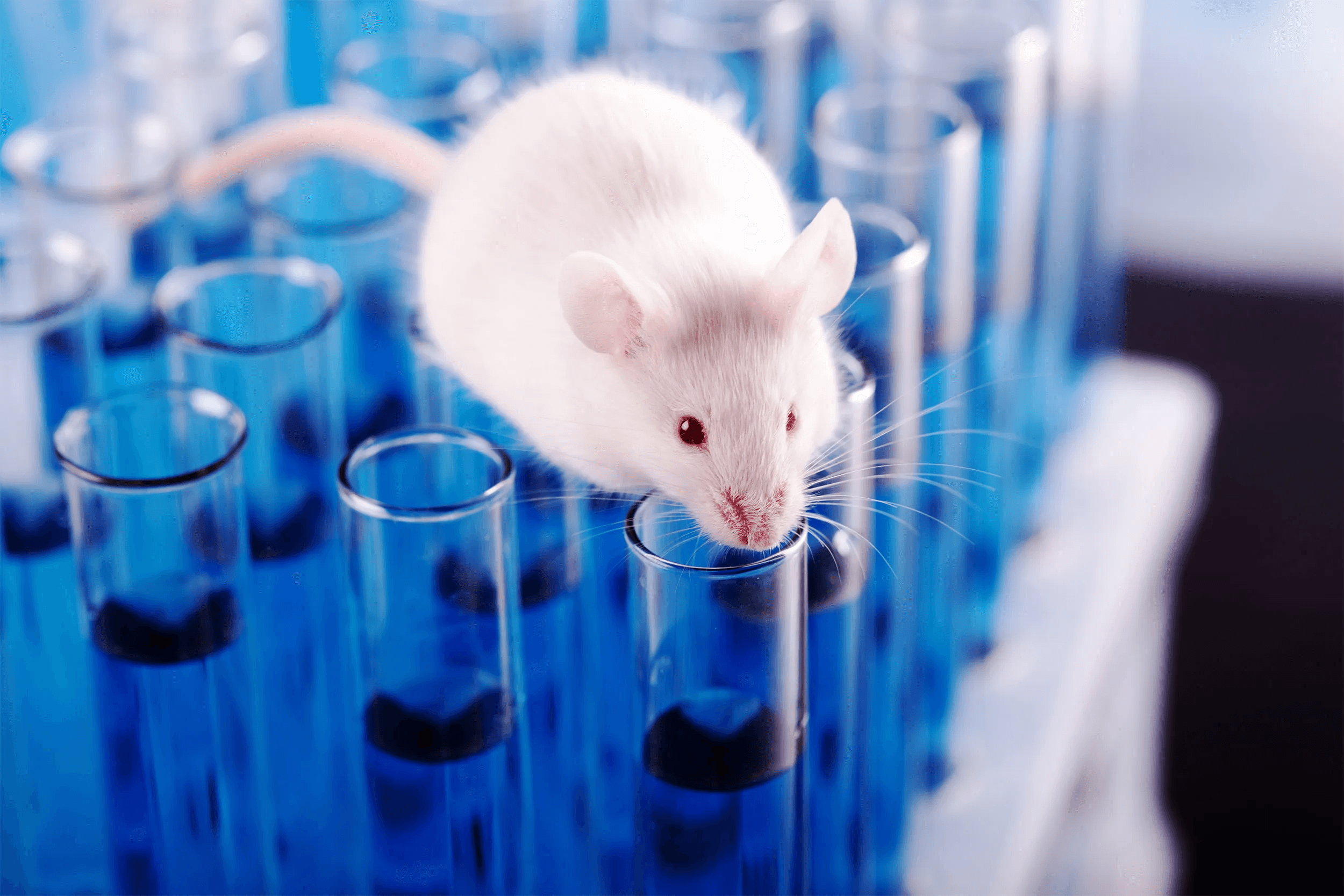
Animal testing involves using living animals in scientific experiments to understand diseases and assess potential medical treatments. Mice, rats, rabbits and other species are commonly used because researchers can investigate how diseases develop within living organisms. Unlike studies conducted exclusively on individual cells, animal models can provide information about interactions between organs, immune responses and the effects of treatments on the wider body(Domínguez-Oliva et al., 2023).
Nevertheless, the results of animal experiments do not always translate successfully to humans. Differences between animal and human biology mean that a treatment that appears safe or effective in an animal may produce different outcomes in clinical trials(pharmaphorum, 2025). Consequently, animal testing cannot guarantee that a medicine will be successful in humans, highlighting the importance of evaluating its scientific value alongside its ethical implications.
One of the strongest arguments supporting animal testing is its potential to prevent disease, reduce suffering and save human lives(PETA, 2010). Developing new treatments requires researchers to establish whether potential medicines are safe and effective before they are administered to people. Carefully designed animal studies may provide important evidence about toxicity, dosage and biological effects that cannot always be obtained through laboratory cell cultures alone.
Supporters argue that limited animal suffering may be justified when research has a strong likelihood of producing substantial medical benefits(Khoo, 2018). This position is often associated with utilitarian ethics, which evaluates actions according to their consequences and overall balance of benefits and harms.
Animal research may also benefit animals themselves by improving veterinary medicine and understanding diseases that affect multiple species(GOV.UK, 2025). However, such benefits do not automatically justify every experiment. Ethical approval must depend on the scientific importance of the research, the severity of potential harm and whether suitable alternatives are available.
The principal argument against animal testing is that animals can experience pain, distress and fear. Experiments may involve invasive procedures, exposure to harmful substances or the development of diseases under controlled conditions(Kiani, 2022).
From an animal-rights perspective, animals should not be treated merely as tools for scientific progress. Their capacity to experience suffering gives researchers a responsibility to protect their welfare and consider their interests. This argument challenges the assumption that potential human benefits automatically outweigh harm to other species.
A further concern is the scientific limitations of animal models. Biological differences can reduce the relevance of findings, potentially resulting in wasted resources and unnecessary animal suffering(Akhtar, 2015). In addition, the development of advanced research technologies raises questions about whether some experiments remain necessary. These concerns support stronger oversight and greater investment in alternative methods.
A major development in ethical animal research is the principle of the Three Rs: Replacement, Reduction and Refinement.This framework remains influential in guiding animal research practices.Replacement involves using alternatives, such as human cell cultures, computer models and laboratory-grown organ-like structures, wherever scientifically appropriate. Reduction means using the minimum number of animals necessary to obtain reliable results, supported by sound experimental design and statistical analysis. Refinement involves modifying procedures to minimise pain, distress and lasting harm(National Centre for the Replacement, Refinement and Reduction of Animals in Research, 2017).
Technologies such as organ-on-a-chip systems and advanced computational models offer promising opportunities to study human disease without relying entirely on animals. However, these approaches also have limitations and may not yet reproduce every interaction occurring within a complete living organism. A responsible research strategy should therefore prioritise validated alternatives while carefully assessing when animal studies remain scientifically necessary.
Researchers, policymakers and funding organisations should invest in alternative technologies, enforce the Three Rs and improve transparency concerning experimental methods and outcomes. Ultimately, ethical disease research must pursue medical progress while recognising the moral significance of animal welfare. The long-term objective should be to reduce dependence on animal testing wherever reliable alternatives can achieve the same or better scientific results.