In early winter of most years, avian influenza, commonly known as bird flu, peaks in the Northern Hemisphere, coinciding with wild migratory bird species flying south, and generating large health and economic downsides.
Aside from the devastating effect on wild populations, the disease has often required for theculling of many poultry stocks, spiking global food prices, jeopardising food security on aninternational scale, and creating a risk for the disease to reach the human food chain.
Categorised into various strains, avian influenza can be fatal to humans if not treated properly. According to the WHO, influenza variant H5N1, the one most threatening to humans, hasinfected around 997 individuals since 2003, killing 478 of them (47.9% fatality rate), with over 65% of those deaths occurring in Western Pacific countries, where access to adequate healthcare limited, heightening the risk of death.
However, the disease has evolved to target marine species as well, as various pinniped species are prone to both carrying and succumbing to the virus’s H5N1 variant. All three families within the pinnipedian clade are at risk of the disease, although some species, such as harbour seals, have been shown to be much more vulnerable to outbreaks of the disease than others. As shown by Gigliotti (2020), such difference in disease resistance is likely due to immunogenetic differences with other pinniped species.
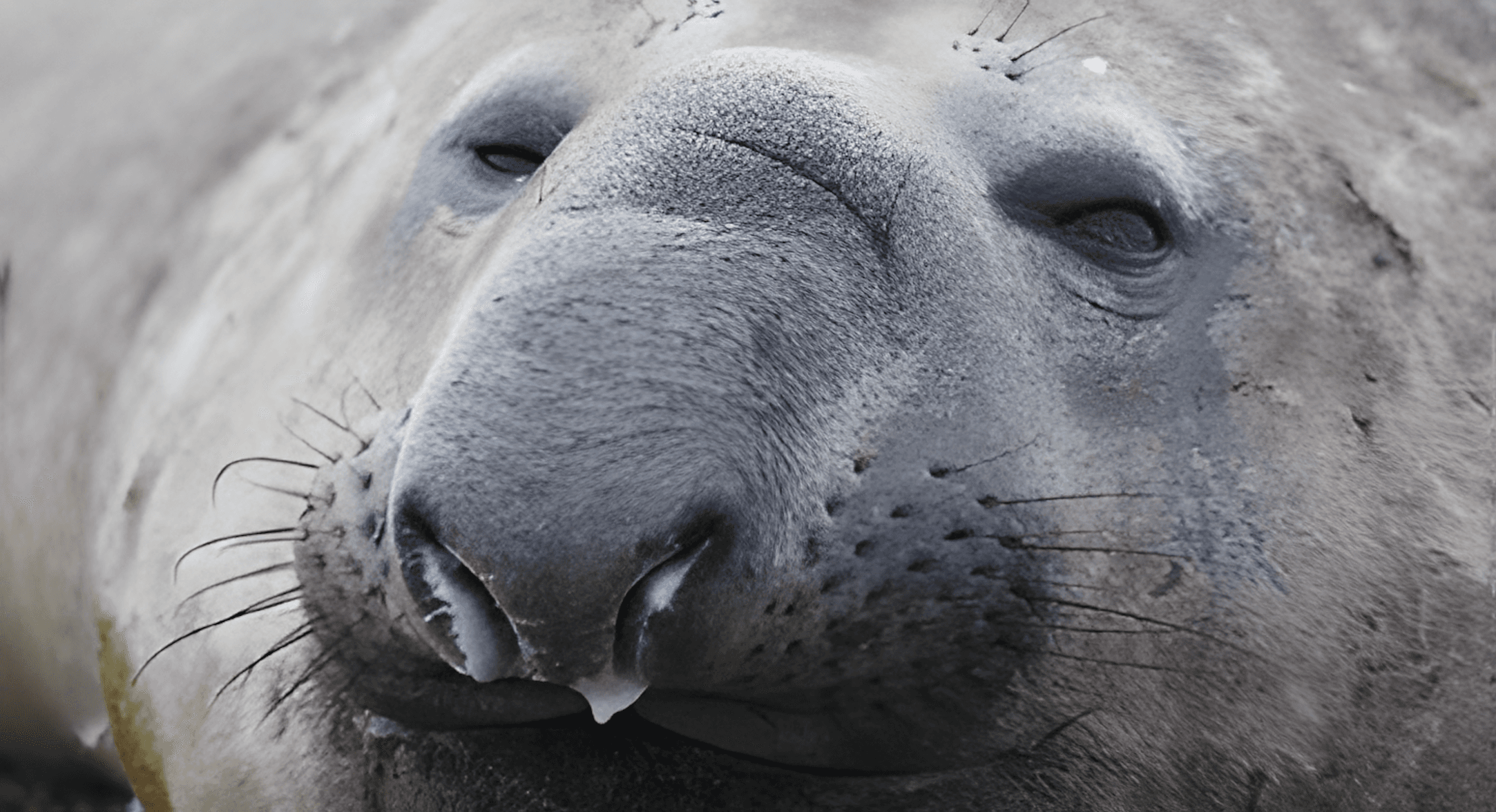
More recently, H5N1’s 2023 outbreaks in the Southern Hemisphere have caused drastic changes some in Southern elephant seal (Mirounga leonina) populations in South Georgia and the Valdes Peninsula, killing over 17,000 individuals in the latter.
As the last IUCN census of the species dates back to over 10 years ago, accurate estimations of the risks posed by avian influenza for the species require further monitoring, in order to plan efficient conservation action
for a species that is a keystone predator assuring ecosystems stability in much of the Southern Ocean