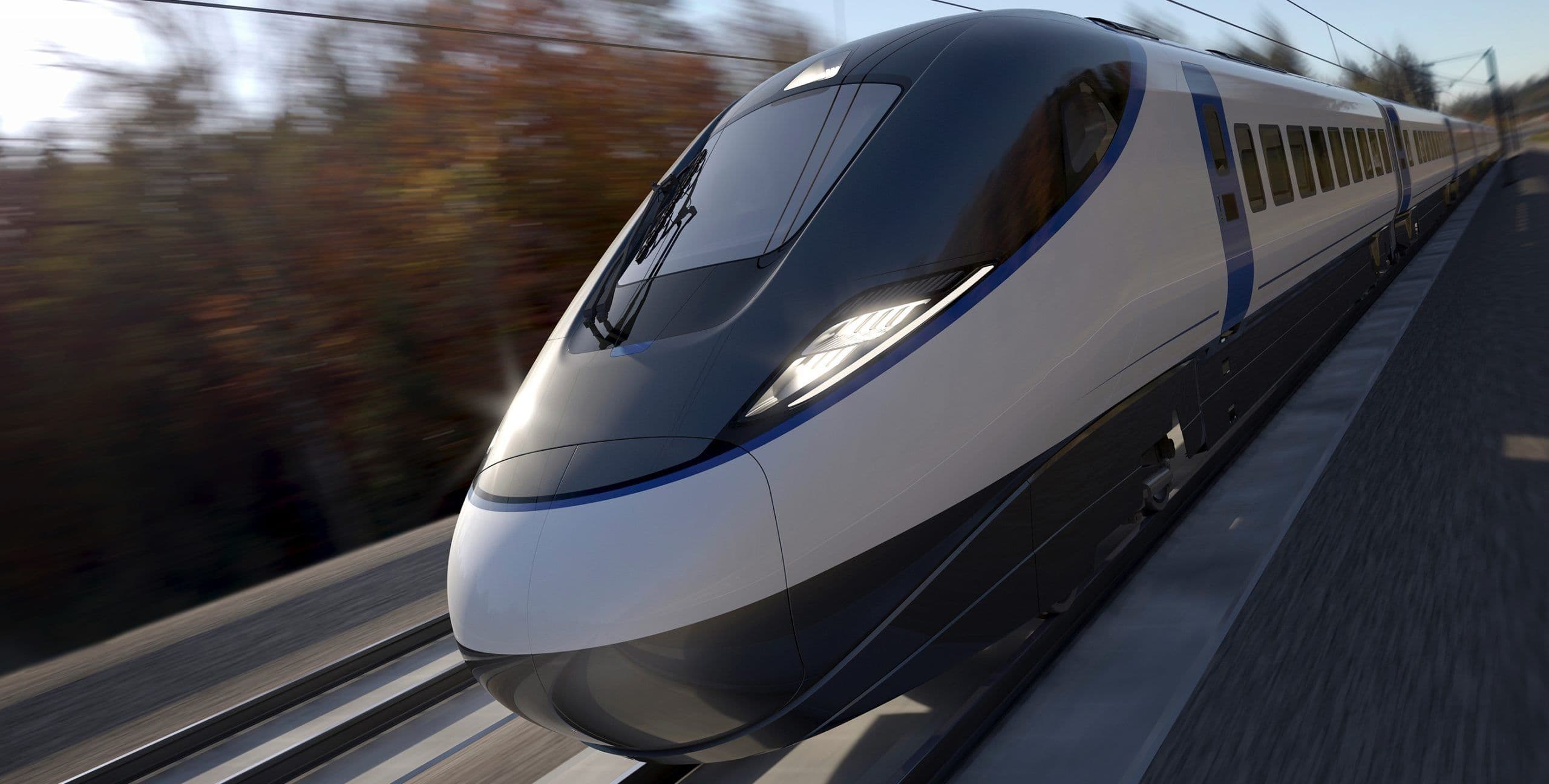
HS2 (High Speed Two) Ltd, was announced in early 2009 by the Labour government to examine the case for a new high-speed line connecting Central London to Birmingham, Leeds and Manchester. However, it has been hit with huge delays and complications, resulting in the eastern leg to Leeds being cancelled in November of 2021, followed by the Manchester line in late 2023. This, alongside estimated costs to finish Phase 1 rising by 134% from 2012-2022 mean the 2033 target to have trains running, ‘cannot be met’, with current predictions indicating it will be between 2040 and 2043 before we see any trains.
So what has gone wrong with HS2? Whilst there are several factors that have contributed to this, including poor contractual risk allocation and project scope changes, the major issue relates to Phase 1 beginning construction prematurely. Phase 1 entered construction before design maturity, land acquisition and planning consents were received, meaning contractors were locked in to schedules before key inputs were established. Changing governments altering the scope of work has also lead to changes in infrastructure commitments, most notably in whether funding for site development at Euston station was to be provided by the government or private investment firms, an issue that has been left partially unresolved.
The government’s response has been to ‘reset’ delivery, by reducing scope and revising contracting arrangements to complete a simpler, more deliverable high speed railway. If this is completed credibly, it will add capacity on the UK’s busiest route, however cancellation of the northern legs reduces the wider economic and regional benefits promised initially.