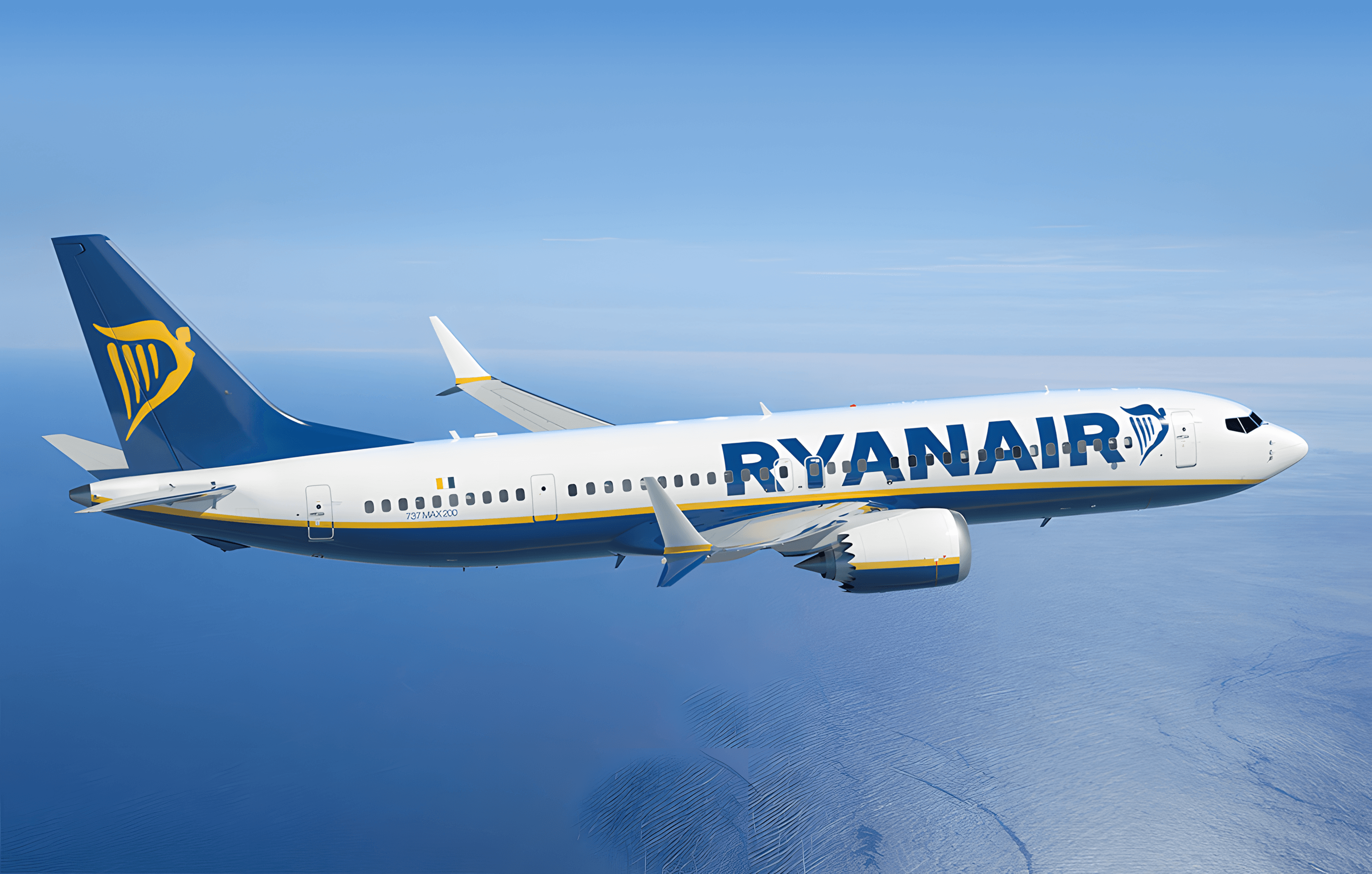
On 25th May, Ryanair announced a final repayment of €1.2B, clearing its debt for the first time since 1997. The bond, issued in 2021 at an interest rate of 0.875%, granted funding to keep Ryanair afloat during the pandemic, but thanks to a strong net cash position of €2.1B, all 620 Boeing 737 aircraft are now unencumbered.
For the airline, this allows even cheaper airfares. Ryanair notoriously aims to minimise costs, by having fewer primary airports, a lack of a tiered seating program and outsourcing jobs including ground staff to companies like Swissport, which allows flexibility in utilising seasonal demand, alongside major European legs.
Not only this, but strong cash position allowed Ryanair to purchase approximately 21 million shares, at a final dividend of €0.195 per share, allowing for the ultra-low cost model to expand into new foreign and domestic markets, such as its new base in Rabat, Morocco. Despite having ancillary fees for baggage, seating and other amenities, Ryanair continues to offer lower fees than any other low cost airlines, focusing exclusively on a flight-only model, as opposed to hybrid approaches like TUI, with package holidays.
If Ryanair are to leverage their debt-free position to undercut prices, indebted legacy carriers will continue to face pricing pressure to match, or offer services as attractive as low fees, particularly in a time where real household income is growing at a mere 0.8% per year, and government subsidies to assist with household bills are yet to be finalised.
Ryanair is well positioned to excel in Q3 and Q4 of 2026, both financially and strategically.